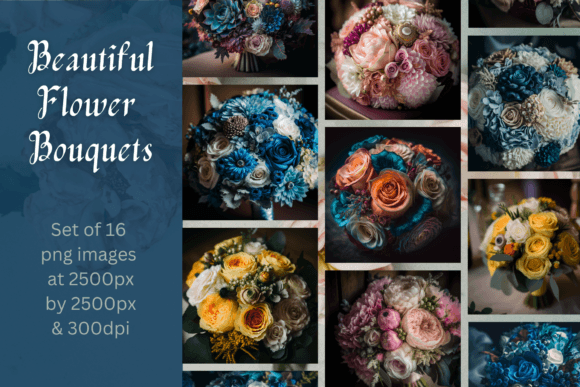
Beautiful Flower Bouquets: Your Guide to Romantic Visual Assets
In the world of digital marketing and design, imagery is often the first conversation you have with your audience. It sets the mood, establishes credibility, and invites engagement before a single word of copy is read. For those in the wedding industry, event planning, or any brand centered around romance and celebration, finding high-quality, versatile visual assets is a constant pursuit. This is where a curated set of photorealistic flower bouquet images becomes an indispensable part of your creative toolkit. These aren't just generic stock photos; they are carefully crafted design assets built for impact.
The Visual Character of These Bouquets
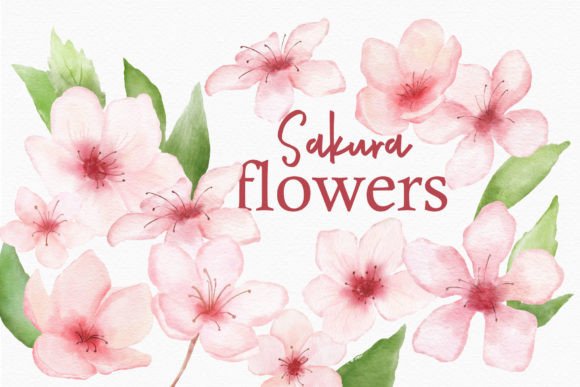
The first thing you notice about this collection is its commitment to realism. Each image is a high-resolution PNG, meticulously composed to mimic the depth, shadow, and delicate texture of a freshly arranged bouquet. The style leans into classic romanticism—think lush peonies, garden roses, and delicate filler greens, all arranged with a natural, slightly loose aesthetic that feels both elegant and approachable. The color palettes are carefully considered, ranging from soft, blush pinks and creamy ivories to more vibrant, passionate reds and deep burgundies. This variety allows you to match the exact mood of your project, whether it's a serene bridal shower invitation or a bold Valentine's Day promotion.
What makes these images particularly valuable for professionals is their technical quality. At 2500x2500 pixels and 300dpi, they are print-ready. You can use them on a physical wedding invitation, a large-format trade show banner, or a high-resolution website hero image without any loss of clarity or detail. The PNG format with transparency is a game-changer, allowing you to layer these bouquets over any background—solid colors, subtle textures, or even other photographs—seamlessly integrating them into your existing design language.
Practical Applications Across Your Projects
The true power of this set lies in its versatility. For a wedding planner or a stationery designer, these images are the foundation. They can be the centerpiece of a save-the-date card, a wedding website header, or the main visual on a table number. Their photorealistic quality ensures your materials look premium and custom-designed, not templated.
For marketers and entrepreneurs, especially in e-commerce, these bouquets are visual shorthand for luxury, care, and special occasions. Imagine an online florist using them to create stunning social media graphics for Instagram Stories or Facebook ads. A gift basket company could overlay them on product photos to add a layer of elegance. A beauty brand launching a floral-scented line could use them in email campaigns and website banners to evoke the right sensory feeling. They instantly elevate a brand's aesthetic, making a small business look established and sophisticated.
Content creators and bloggers will find endless uses. A food blogger could use a bouquet to frame a recipe for a special meal. A lifestyle influencer could use it as a beautiful, consistent element in their Instagram grid to reinforce a romantic or celebratory theme. The images work equally well in digital and print publishing—think magazine layouts, blog post features, or even as decorative elements in a self-published e-book about event planning.
Integrating Imagery into Your Brand Identity
Consistency is the bedrock of strong brand identity. Using a cohesive set of high-quality assets like these flower bouquets helps create a recognizable visual language. When your audience sees a particular style of floral arrangement across your website, social media, and print materials, it builds familiarity and trust. It communicates that you pay attention to details and value aesthetics, which can influence how your brand is perceived—often as more professional, caring, and premium.
When incorporating these images, consider their role in your overall visual hierarchy. A large, vibrant bouquet can serve as a powerful focal point, drawing the eye to a key message or call-to-action. A smaller, more delicate arrangement can act as an elegant supporting element, adding texture and interest without overwhelming your typography. The key is to use them with intention, ensuring they complement rather than compete with your core message.
Choosing the Right Image for the Job
With 16 distinct options, you have the flexibility to choose the perfect bouquet for each context. Before selecting, ask yourself: What is the emotion I need to convey? A bouquet with soft, pastel tones and baby's breath suggests innocence and sweetness, perfect for a bridal shower. A arrangement with deep reds and rich greens feels more passionate and traditional, ideal for a Valentine's Day campaign or a formal wedding announcement.
Also, think about the composition. Some bouquets might be round and compact, making them easy to place in a corner of a design. Others might be more vertical or have elements that spill out, which could be used to frame text or create a sense of movement. Always test the image in your actual layout. Place it next to your chosen fonts—whether that's a elegant serif for body text or a modern sans serif for headlines—to ensure the visual styles harmonize. The goal is a balanced design where the imagery and typography work together to tell a complete story.
Finally, remember the practicalities. The commercial licensing of this set means you can use these assets across client work, your own products, and marketing materials without legal worry. This makes it a smart, long-term investment for any creative professional or business owner. By integrating these beautiful flower bouquets into your projects, you're not just adding decoration; you're investing in a visual asset that communicates quality, evokes emotion, and ultimately helps connect with your audience on a deeper level.